
Pelvic Floor Rehabilitation
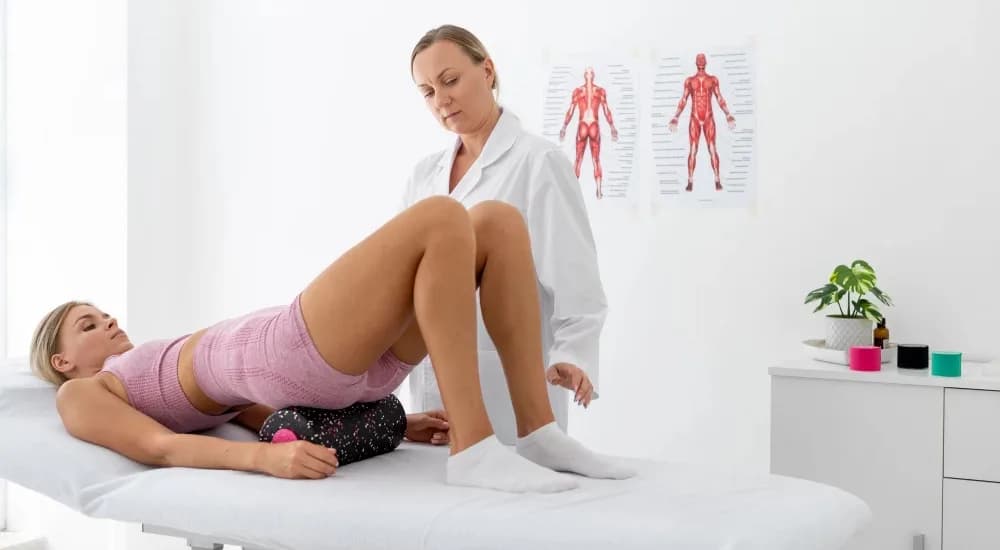
What is Pelvic Floor Rehabilitation?
The pelvic floor muscles provide support to the bladder, bowel, uterus (in women), and prostate (in men). Dysfunction in these muscles can impair organ function, and conversely, organ problems can cause pelvic floor dysfunction.
Pelvic floor rehabilitation is a treatment method that aims to optimize pelvic floor muscle function, ensuring that the target muscles work in a balanced and coordinated way. It is applied by specialist therapists.
Benefits of Pelvic Floor Rehabilitation
- Resolving urinary incontinence (stress, urgency, and mixed type)
- Improving bowel control
- Reducing pelvic organ prolapse symptoms
- Relieving chronic pelvic pain
- Treating sexual dysfunction
- Strengthening muscles after childbirth
Conditions Treated
- Urinary incontinence
- Frequent urination and urgency
- Fecal incontinence
- Pelvic organ prolapse
- Chronic pelvic pain
- Vaginismus and sexual pain disorders
- Post-prostatectomy incontinence
- Postpartum pelvic floor weakness
Treatment Methods
- Pelvic floor muscle exercises (Kegel exercises)
- Biofeedback therapy
- Electrostimulation
- Manual therapy techniques
- Bladder training
- Behavioral techniques and lifestyle changes
Pelvic Floor Rehabilitation at ROMMER
At ROMMER International, pelvic floor rehabilitation is applied to patients diagnosed by specialist physicians. Each patient is evaluated in detail and an individualized treatment program is created. The program is continuously revised according to the patient's progress.
Frequently Asked Questions
Would You Like to Book an Appointment?
Our specialist team will create the most suitable treatment plan for you.
Contact Us