Ana içeriğe geç
0Founded
0+Years of Experience
Our Treatment Areas

Our Treatment Areas

Comprehensive services ranging from neurological, orthopedic and pediatric rehabilitation to robotic therapy.

View All
01

Physical Therapy

Physical therapy is a medical field focused on diagnosing and treating physical and functional disorders of the musculoskeletal system. Goals include pain reduction, muscle relaxation, improved circulation and functional restoration.

02

Sports Athlete Rehabilitation

What is Sports Rehabilitation? Sports rehabilitation is a comprehensive treatment process designed to help individuals recover from sports injuries and return to their pre-injury performance level as quickly and safely as possible. It applies to professional athletes, recreational sports participants, performing artists, and professionals who rely on their physical performance. Treatment Goals Pain relief and inflammation control Restoring muscle strength and endurance Recovering full range of motion Proprioception and coordination retraining Sport-specific functional skill recovery Prevention of re-injury Treatment Methods Manual therapy techniques Joint mobilization and stabilization Neuromuscular training Strengthening and endurance exercises Hydrotherapy and aquatic exercise Electrotherapy (TENS, ultrasound, laser) Kinesiotaping

03

Cognitive Therapy

What is Cognitive Therapy? Cognitive therapy (cognitive rehabilitation) is a specialized approach aimed at restoring cognitive functions such as memory, attention, perception, problem-solving, and executive functions that have been impaired due to brain injury, stroke, or neurological conditions. Indications Post-stroke cognitive impairment Traumatic brain injury Neurological conditions (MS, Parkinson, brain tumors) Attention and concentration difficulties Memory disorders Executive function impairments Treatment Methods Compensatory strategies Relearning techniques Computer-assisted cognitive training Cognitive training in daily activities Environmental adaptations

04

Swallowing Disorder Rehabilitation

What is Dysphagia Rehabilitation? Dysphagia (swallowing disorder) rehabilitation focuses on restoring safe swallowing by strengthening oral-motor muscles and teaching compensatory strategies. It is commonly needed after stroke, neurological conditions, head and neck cancer treatment, or in elderly individuals. Who Is Affected? Stroke survivors Parkinson and MS patients Brain injury patients Head and neck cancer patients Elderly individuals with swallowing difficulty Treatment Methods Oral-motor exercises Compensatory swallowing strategies Diet texture modification Thermal-tactile stimulation Neuromuscular electrical stimulation Patient and family education

05

Gait and Balance Disorder Rehabilitation

What is Gait and Balance Rehabilitation? Gait and balance rehabilitation addresses instability, fall risk, and unsafe walking caused by neurological, vestibular, or musculoskeletal disorders. Comprehensive assessment and advanced balance training systems are used at ROMMER International. Common Causes Stroke and neurological conditions Vestibular disorders Parkinson's disease Multiple sclerosis Peripheral neuropathy Orthopedic problems Age-related balance loss Treatment Methods Balance training platforms Gait retraining (treadmill, parallel bars) Strengthening exercises Vestibular rehabilitation Robotic gait training Fall prevention strategies

06

Amputation Rehabilitation

What is Amputation Rehabilitation? Amputation rehabilitation is a comprehensive program helping individuals who have lost a limb regain the highest possible level of function and quality of life. Our multidisciplinary team creates an individualized roadmap for each patient. Rehabilitation Stages Pre-operative preparation Acute care: stump management, edema control, pain management Pre-prosthetic training: balance and gait training Prosthetic fitting and training Functional rehabilitation: stairs, uneven terrain, return to work Treatment Methods Stump exercises and strengthening Balance and proprioception training Phantom pain management (mirror therapy, TENS) Prosthetic gait analysis and training Activities of daily living training

07

Muscular Disease Therapy

What Are Muscular Diseases? Muscular diseases refer to conditions that affect the muscles, which play a vital role in enabling body movement. These disorders disrupt the structure or function of muscle cells, significantly impairing muscular performance. Muscular diseases can occur at any stage of life—from infancy and childhood to adolescence, adulthood, and old age—affecting individuals of all ages. What Are the Symptoms of Muscular Diseases? Muscular diseases are common and can hinder individuals from performing routine daily activities. Their symptoms include: Gait disturbances due to weakness in the hip and surrounding muscles Difficulty in standing up and walking Children affected at an early age may frequently want to be carried, especially while walking or climbing stairs During adolescence, affected individuals may lag behind their peers, show changes in gait, and demonstrate unusual movement patterns Weakness in spinal and surrounding muscles may lead to difficulties in lifting, extending, or moving the arms If the hands and feet are affected, there may be frequent tripping, falling (leading to faster shoe wear), and trouble performing fine motor tasks In rare cases, drooping eyelids and restricted eye movements may occur Involvement of swallowing or respiratory muscles Frequent falls and rapid fatigue Who Is Affected by Muscular Diseases? Depending on the abnormality in the muscle tissue, the severity of muscular diseases can vary—ranging from mild symptoms to severe impairments that significantly reduce life expectancy. Types include: Muscular Dystrophies (e.g., Duchenne, Becker, Facioscapulohumeral, Limb-Girdle, Distal, Emery-Dreifuss) Congenital Muscular Dystrophies Myopathies Myotonias Dermatomyositis and Polymyositis What Are the Goals of Ergotherapy in Muscular Diseases? The goal of rehabilitation in muscular diseases is to improve the quality of life for both the child and the family, and to support the child's independent participation in daily activities. Specific objectives of ergotherapy include: Preserving muscle strength or slowing down muscle weakness Supporting and protecting joints during different stages of the disease, and improving function using appropriate tools, equipment, and assistive devices Teaching fatigue management strategies Teaching joint and energy conservation techniques Enhancing functional capacity to promote independence in daily living activities Providing home rehabilitation to ensure a safer and more energy-efficient living environment Using preventive rehabilitation approaches to maintain existing functional capacity for as long as possible Through individualized therapy and adaptive strategies, ergotherapy plays a vital role in maximizing functional independence and well-being in individuals with muscular diseases.

08

Snoezelen Therapy

What is Snoezelen Therapy? Snoezelen therapy is a therapeutic approach that provides multisensory stimulation in a specially designed room using light effects, relaxing sounds, varied textures, aromatherapy, and vibrating surfaces. Developed in the Netherlands in the 1970s, it creates an effective therapeutic environment for individuals with neurological and developmental disorders. Who Benefits? Children and adults with autism spectrum disorder Cerebral palsy patients Individuals with Down syndrome Children with developmental delays Dementia and Alzheimer patients Individuals with sensory processing disorders Benefits Reduction of anxiety and agitation Sensory regulation Improved communication and social interaction Pain reduction Better sleep quality

09

Scoliosis Rehabilitation

What is Scoliosis Rehabilitation? Scoliosis is an abnormal lateral curvature of the spine. At ROMMER International, a comprehensive scoliosis rehabilitation program combines the evidence-based Schroth method with modern physiotherapy approaches to halt progression and improve posture. Types of Scoliosis Idiopathic scoliosis (most common; cause unknown) Congenital scoliosis (developmental spine abnormality) Neuromuscular scoliosis (related to CP, muscular dystrophy) Degenerative scoliosis (age-related) Treatment Methods Schroth method (corrective breathing and exercises) SEAS scoliosis-specific exercises Active stabilization and posture training Manual therapy Brace-coordinated exercise program

10

Geriatric Rehabilitation

What is Geriatric Rehabilitation? Geriatric rehabilitation is a comprehensive field focused on restoring physical capacity, maintaining independence, and improving quality of life in elderly individuals affected by age-related physiological changes and illness. Why is it Needed? Reduces fall risk Preserves independence in daily activities Shortens hospital stays Delays transition to nursing care Indications Hip fracture and surgery rehabilitation Post joint replacement rehabilitation Post-stroke rehabilitation Remobilization after prolonged bed rest Sarcopenia treatment Balance and gait disorders Treatment Methods Strengthening and endurance exercises Balance training Gait retraining Activities of daily living training Assistive device training Home modification advice

11

Social Skills Training

What is Social Skills Training? Social skills training is a structured therapeutic approach to help individuals develop effective communication, emotion expression, adherence to social norms, and the ability to form healthy relationships. At ROMMER International, it is delivered by occupational therapists for individuals with autism, cerebral palsy, Down syndrome, developmental delays, and psychiatric disorders. Who Benefits? Children and adults with autism spectrum disorder Individuals with Down syndrome and cerebral palsy Children with developmental delays Individuals with social anxiety Those with psychiatric disorders Program Content Eye contact and attention skills Turn-taking and sharing Recognizing and expressing emotions Group play and cooperation Problem solving and conflict management

12

Parkinson Rehabilitation

What is Parkinson Rehabilitation? Parkinson's disease is a progressive neurological condition caused by gradual loss of dopamine-producing neurons. While there is no cure, rehabilitation plays a critical role in managing symptoms, preserving function, and improving quality of life. Symptoms Resting tremor (especially in hands) Bradykinesia (slowness of movement) Muscle rigidity Balance problems and forward posture Freezing of gait Rehabilitation Program LSVT BIG program (large-amplitude movement training) Gait and balance training Strengthening and stretching exercises Posture training Swallowing and speech therapy Fall prevention strategies Aquatic therapy

Why ROMMER?

30 Years of Trust
in Rehabilitation

Since 1994, ROMMER International has been combining advanced technology with the healing power of thermal water to provide comprehensive physical therapy and rehabilitation services in Bursa.

Book Appointment
01

Expert Team

30 years of experience. Multidisciplinary team of professors, specialist doctors and physiotherapists.
02

Technology + Thermal

Robotic rehabilitation systems combined with the healing power of natural thermal water.

03

Holistic Approach

Full spectrum from neurological, orthopedic, pediatric and cardiopulmonary rehabilitation to occupational therapy.

04

36+ Insurance Partners

Partnered with Acıbadem, Allianz, AXA, Anadolu, QNB and many more private insurance companies.

FAQ

Frequently Asked Questions

Our team is always ready to help if you have more questions.

0552 901 59 81

You can call us at 444 22 48, send a message via WhatsApp, or fill out the contact form on our website. Our team will get back to you as soon as possible.

We are partnered with over 36 private insurance companies including Acıbadem Sigorta, Allianz, AXA, Anadolu Sigorta and QNB Sigorta. Contact our team for the current list.

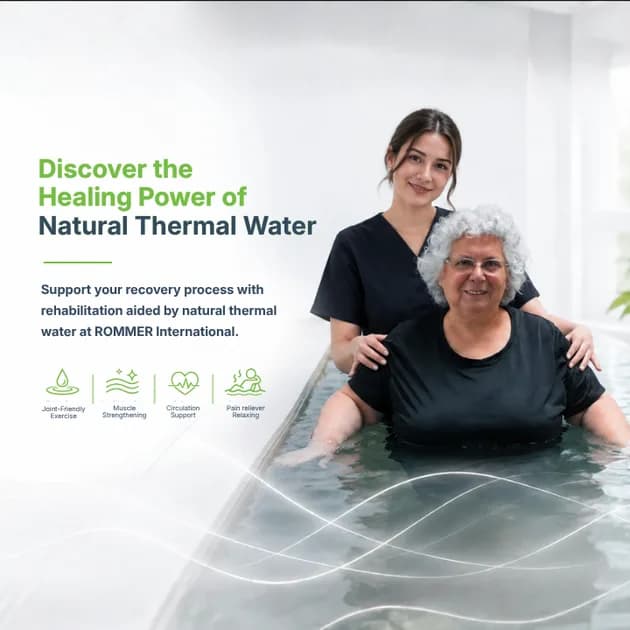
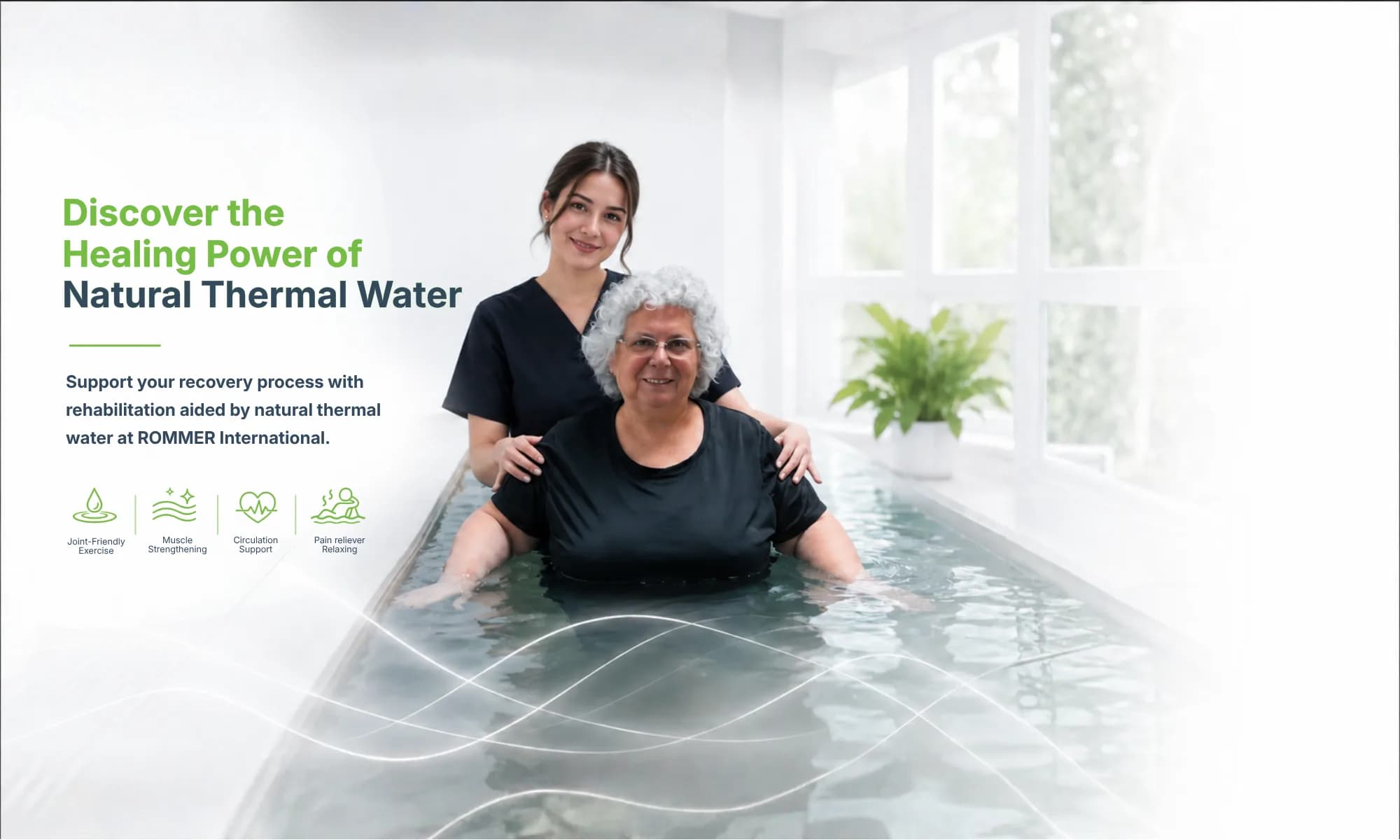
Aqua therapy is a rehabilitation method using the buoyancy and warmth of water. It produces effective results for joint diseases, neurological conditions, orthopedic problems and general pain management.

Our robotic rehabilitation systems are used for stroke, spinal cord injury, cerebral palsy, multiple sclerosis, Parkinson's disease and post-orthopedic surgery recovery.

For up-to-date information about the first evaluation session, please contact our centre. Insurance conditions apply for patients covered by partner insurance companies.

Yes. Our international patient coordinators provide support to patients coming from abroad regarding accommodation, transfers and treatment planning.

Get Started Now

Start Your Treatment Today

Book an appointment quickly with our expert team and advanced technology. Our line is available 6 days a week.