Conditions We Treat
Physical therapy is a specialized medical field for diagnosing and treating musculoskeletal disorders. We provide services for a wide range from herniated disc to neck stiffness, nerve compression to kyphosis.
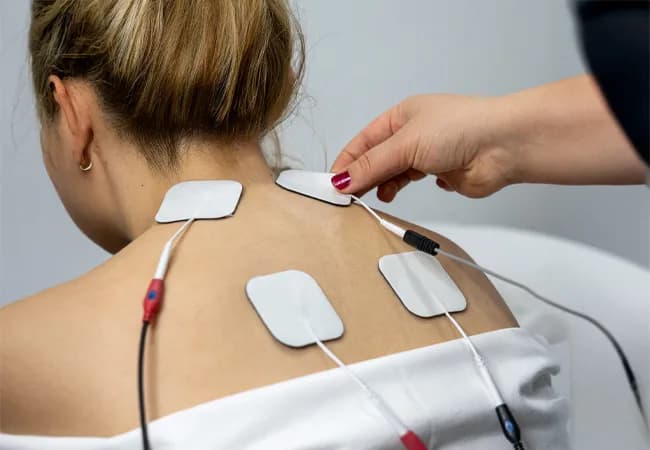
Physical Therapy
Physical therapy is a medical field focused on diagnosing and treating physical and functional disorders of the musculoskeletal system. Goals include pain reduction, muscle relaxation, improved circulation and functional restoration.

Cognitive Therapy
What is Cognitive Therapy? Cognitive therapy (cognitive rehabilitation) is a specialized approach aimed at restoring cognitive functions such as memory, attention, perception, problem-solving, and executive functions that have been impaired due to brain injury, stroke, or neurological conditions. Indications Post-stroke cognitive impairment Traumatic brain injury Neurological conditions (MS, Parkinson, brain tumors) Attention and concentration difficulties Memory disorders Executive function impairments Treatment Methods Compensatory strategies Relearning techniques Computer-assisted cognitive training Cognitive training in daily activities Environmental adaptations
View Details
Sports Athlete Rehabilitation
What is Sports Rehabilitation? Sports rehabilitation is a comprehensive treatment process designed to help individuals recover from sports injuries and return to their pre-injury performance level as quickly and safely as possible. It applies to professional athletes, recreational sports participants, performing artists, and professionals who rely on their physical performance. Treatment Goals Pain relief and inflammation control Restoring muscle strength and endurance Recovering full range of motion Proprioception and coordination retraining Sport-specific functional skill recovery Prevention of re-injury Treatment Methods Manual therapy techniques Joint mobilization and stabilization Neuromuscular training Strengthening and endurance exercises Hydrotherapy and aquatic exercise Electrotherapy (TENS, ultrasound, laser) Kinesiotaping
View Details
Amputation Rehabilitation
What is Amputation Rehabilitation? Amputation rehabilitation is a comprehensive program helping individuals who have lost a limb regain the highest possible level of function and quality of life. Our multidisciplinary team creates an individualized roadmap for each patient. Rehabilitation Stages Pre-operative preparation Acute care: stump management, edema control, pain management Pre-prosthetic training: balance and gait training Prosthetic fitting and training Functional rehabilitation: stairs, uneven terrain, return to work Treatment Methods Stump exercises and strengthening Balance and proprioception training Phantom pain management (mirror therapy, TENS) Prosthetic gait analysis and training Activities of daily living training
View Details
Gait and Balance Disorder Rehabilitation
What is Gait and Balance Rehabilitation? Gait and balance rehabilitation addresses instability, fall risk, and unsafe walking caused by neurological, vestibular, or musculoskeletal disorders. Comprehensive assessment and advanced balance training systems are used at ROMMER International. Common Causes Stroke and neurological conditions Vestibular disorders Parkinson's disease Multiple sclerosis Peripheral neuropathy Orthopedic problems Age-related balance loss Treatment Methods Balance training platforms Gait retraining (treadmill, parallel bars) Strengthening exercises Vestibular rehabilitation Robotic gait training Fall prevention strategies
View Details
Swallowing Disorder Rehabilitation
What is Dysphagia Rehabilitation? Dysphagia (swallowing disorder) rehabilitation focuses on restoring safe swallowing by strengthening oral-motor muscles and teaching compensatory strategies. It is commonly needed after stroke, neurological conditions, head and neck cancer treatment, or in elderly individuals. Who Is Affected? Stroke survivors Parkinson and MS patients Brain injury patients Head and neck cancer patients Elderly individuals with swallowing difficulty Treatment Methods Oral-motor exercises Compensatory swallowing strategies Diet texture modification Thermal-tactile stimulation Neuromuscular electrical stimulation Patient and family education
View Details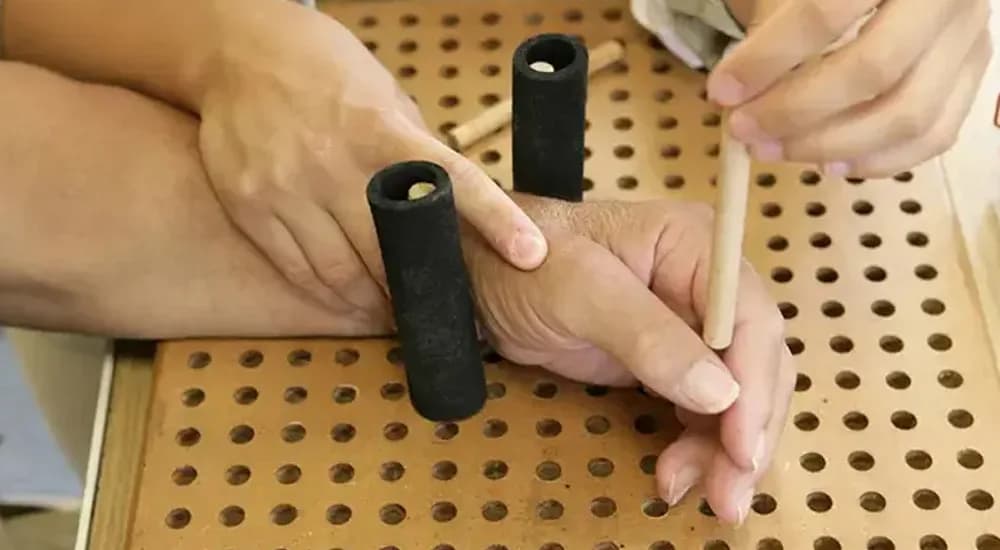
Muscular Disease Therapy
What Are Muscular Diseases? Muscular diseases refer to conditions that affect the muscles, which play a vital role in enabling body movement. These disorders disrupt the structure or function of muscle cells, significantly impairing muscular performance. Muscular diseases can occur at any stage of life—from infancy and childhood to adolescence, adulthood, and old age—affecting individuals of all ages. What Are the Symptoms of Muscular Diseases? Muscular diseases are common and can hinder individuals from performing routine daily activities. Their symptoms include: Gait disturbances due to weakness in the hip and surrounding muscles Difficulty in standing up and walking Children affected at an early age may frequently want to be carried, especially while walking or climbing stairs During adolescence, affected individuals may lag behind their peers, show changes in gait, and demonstrate unusual movement patterns Weakness in spinal and surrounding muscles may lead to difficulties in lifting, extending, or moving the arms If the hands and feet are affected, there may be frequent tripping, falling (leading to faster shoe wear), and trouble performing fine motor tasks In rare cases, drooping eyelids and restricted eye movements may occur Involvement of swallowing or respiratory muscles Frequent falls and rapid fatigue Who Is Affected by Muscular Diseases? Depending on the abnormality in the muscle tissue, the severity of muscular diseases can vary—ranging from mild symptoms to severe impairments that significantly reduce life expectancy. Types include: Muscular Dystrophies (e.g., Duchenne, Becker, Facioscapulohumeral, Limb-Girdle, Distal, Emery-Dreifuss) Congenital Muscular Dystrophies Myopathies Myotonias Dermatomyositis and Polymyositis What Are the Goals of Ergotherapy in Muscular Diseases? The goal of rehabilitation in muscular diseases is to improve the quality of life for both the child and the family, and to support the child's independent participation in daily activities. Specific objectives of ergotherapy include: Preserving muscle strength or slowing down muscle weakness Supporting and protecting joints during different stages of the disease, and improving function using appropriate tools, equipment, and assistive devices Teaching fatigue management strategies Teaching joint and energy conservation techniques Enhancing functional capacity to promote independence in daily living activities Providing home rehabilitation to ensure a safer and more energy-efficient living environment Using preventive rehabilitation approaches to maintain existing functional capacity for as long as possible Through individualized therapy and adaptive strategies, ergotherapy plays a vital role in maximizing functional independence and well-being in individuals with muscular diseases.
View Details
Snoezelen Therapy
What is Snoezelen Therapy? Snoezelen therapy is a therapeutic approach that provides multisensory stimulation in a specially designed room using light effects, relaxing sounds, varied textures, aromatherapy, and vibrating surfaces. Developed in the Netherlands in the 1970s, it creates an effective therapeutic environment for individuals with neurological and developmental disorders. Who Benefits? Children and adults with autism spectrum disorder Cerebral palsy patients Individuals with Down syndrome Children with developmental delays Dementia and Alzheimer patients Individuals with sensory processing disorders Benefits Reduction of anxiety and agitation Sensory regulation Improved communication and social interaction Pain reduction Better sleep quality
View Details
Social Skills Training
What is Social Skills Training? Social skills training is a structured therapeutic approach to help individuals develop effective communication, emotion expression, adherence to social norms, and the ability to form healthy relationships. At ROMMER International, it is delivered by occupational therapists for individuals with autism, cerebral palsy, Down syndrome, developmental delays, and psychiatric disorders. Who Benefits? Children and adults with autism spectrum disorder Individuals with Down syndrome and cerebral palsy Children with developmental delays Individuals with social anxiety Those with psychiatric disorders Program Content Eye contact and attention skills Turn-taking and sharing Recognizing and expressing emotions Group play and cooperation Problem solving and conflict management
View Details
Scoliosis Rehabilitation
What is Scoliosis Rehabilitation? Scoliosis is an abnormal lateral curvature of the spine. At ROMMER International, a comprehensive scoliosis rehabilitation program combines the evidence-based Schroth method with modern physiotherapy approaches to halt progression and improve posture. Types of Scoliosis Idiopathic scoliosis (most common; cause unknown) Congenital scoliosis (developmental spine abnormality) Neuromuscular scoliosis (related to CP, muscular dystrophy) Degenerative scoliosis (age-related) Treatment Methods Schroth method (corrective breathing and exercises) SEAS scoliosis-specific exercises Active stabilization and posture training Manual therapy Brace-coordinated exercise program
View Details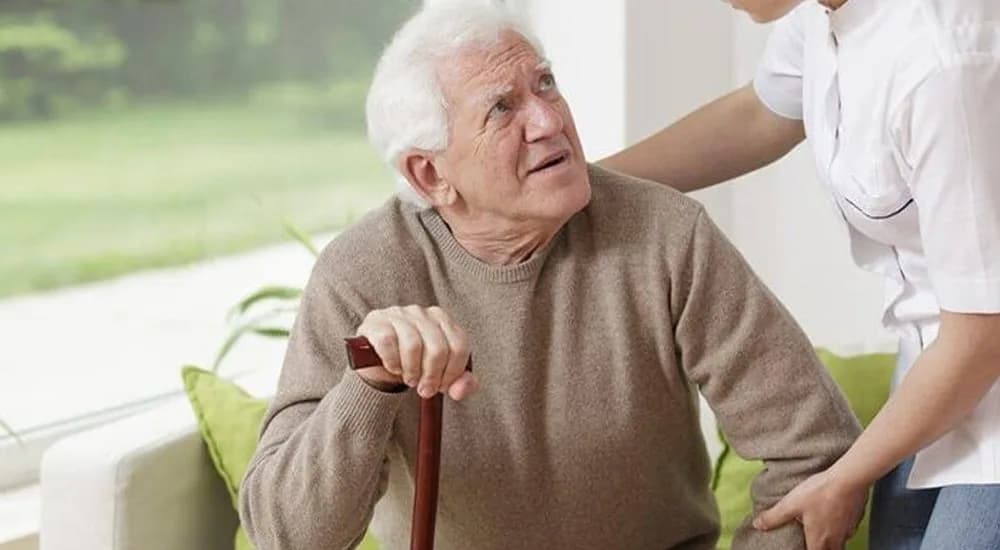
Geriatric Rehabilitation
What is Geriatric Rehabilitation? Geriatric rehabilitation is a comprehensive field focused on restoring physical capacity, maintaining independence, and improving quality of life in elderly individuals affected by age-related physiological changes and illness. Why is it Needed? Reduces fall risk Preserves independence in daily activities Shortens hospital stays Delays transition to nursing care Indications Hip fracture and surgery rehabilitation Post joint replacement rehabilitation Post-stroke rehabilitation Remobilization after prolonged bed rest Sarcopenia treatment Balance and gait disorders Treatment Methods Strengthening and endurance exercises Balance training Gait retraining Activities of daily living training Assistive device training Home modification advice
View Details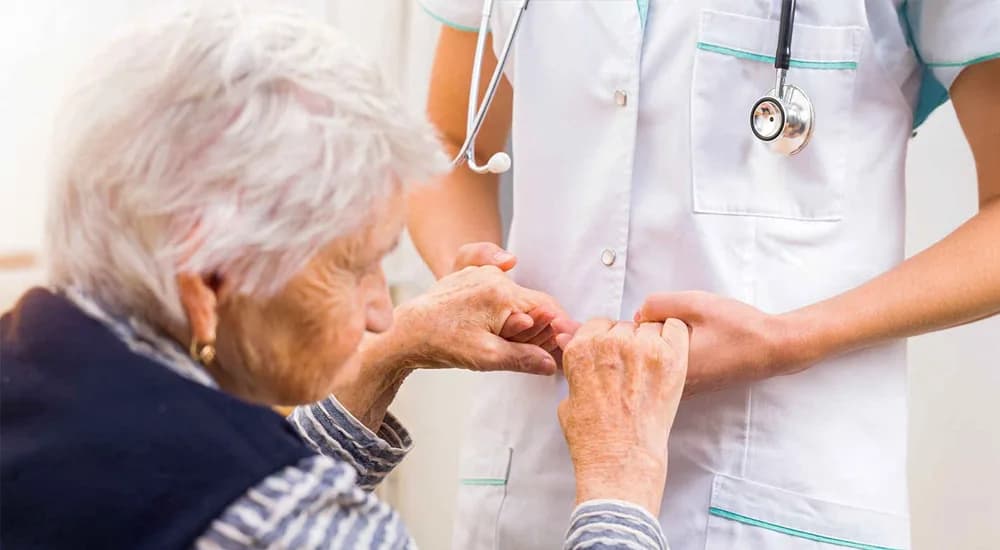
Parkinson Rehabilitation
What is Parkinson Rehabilitation? Parkinson's disease is a progressive neurological condition caused by gradual loss of dopamine-producing neurons. While there is no cure, rehabilitation plays a critical role in managing symptoms, preserving function, and improving quality of life. Symptoms Resting tremor (especially in hands) Bradykinesia (slowness of movement) Muscle rigidity Balance problems and forward posture Freezing of gait Rehabilitation Program LSVT BIG program (large-amplitude movement training) Gait and balance training Strengthening and stretching exercises Posture training Swallowing and speech therapy Fall prevention strategies Aquatic therapy
View Details
Low Vision Rehabilitation
What is Low Vision Rehabilitation? Low vision rehabilitation is an occupational therapy-based program aimed at maximizing the use of remaining vision and increasing independence in daily living through assistive optical devices and adaptive techniques. Common Causes Age-related macular degeneration Glaucoma Diabetic retinopathy Retinitis pigmentosa Visual field loss after brain injury or stroke Rehabilitation Program Magnifier and optical device assessment and training Lighting optimization and contrast enhancement Eccentric viewing training Adaptive reading techniques Electronic magnification systems Daily living adaptations
View Details
Down Syndrome Therapy
What is Down Syndrome Therapy? Down syndrome is a genetic condition caused by an extra copy of chromosome 21. It is characterized by cognitive development differences, motor skill difficulties, low muscle tone (hypotonia), and challenges in daily living activities. At ROMMER International, occupational therapists implement comprehensive individualized therapy programs to maximize developmental potential. Occupational Therapy Intervention Areas Activities of daily living (self-care, home independence) Fine motor skills (grasping, handwriting, scissors use) Sensory processing Social skills development School readiness and academic support Play skills Importance of Early Intervention Since neuroplasticity is at its highest during infancy and early childhood, early therapy intervention significantly improves long-term outcomes.
View Details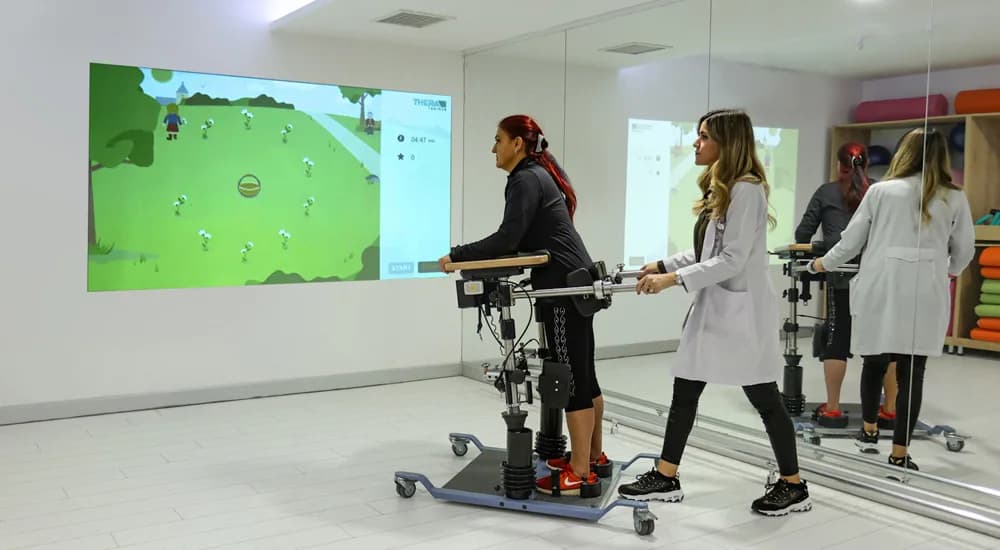
Post-Prosthetic Surgery Rehabilitation
What is Post-Joint Replacement Rehabilitation? Post-prosthetic (joint replacement) rehabilitation is critical to the success of hip, knee, and shoulder replacement surgeries. At ROMMER International, an evidence-based, phased rehabilitation program is applied to help patients regain full function and return to daily life. Applicable Surgeries Total knee replacement Total hip replacement Partial knee and hip replacement Shoulder and elbow replacement Rehabilitation Phases Early phase: edema control, early mobilization, weight-bearing training Mid phase: increasing range of motion, strengthening, gait training Late phase: return to functional activities
View Details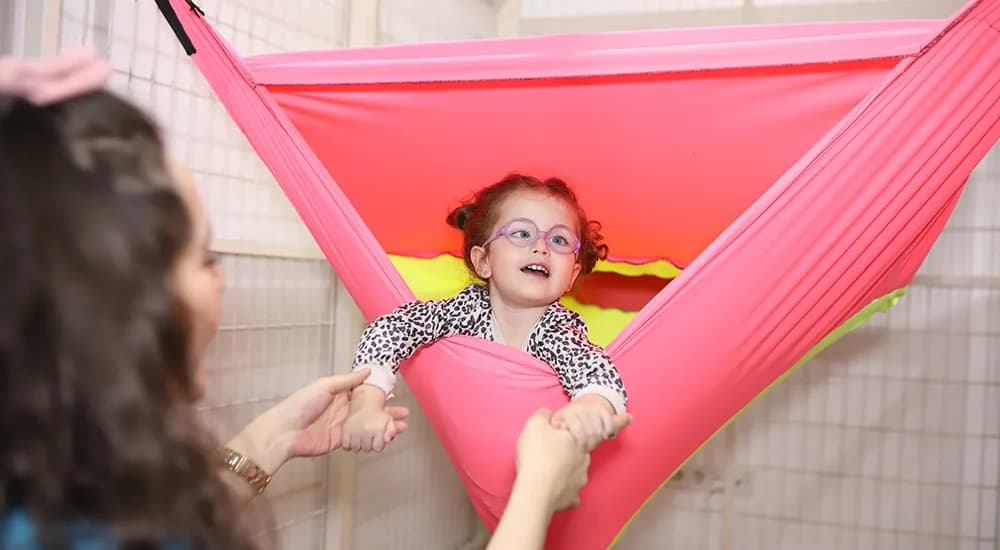
Premature Infant Rehabilitation
Infants who may experience developmental delays due to problems during pregnancy, at birth, or after delivery are referred to as high-risk infants. This group generally includes premature (preterm) infants, full-term infants with low birth weight, and infants who require care in a neonatal intensive care unit after birth. Which infants are considered premature? Infants born before 37 weeks of gestation are classified as premature. Those born between 34–36 weeks are considered late preterm, 32–33 weeks moderate preterm, 28–31 weeks very preterm, and those born before 28 weeks are classified as extremely preterm. What does low birth weight mean? A birth weight below 2500 grams is considered low birth weight. If the weight is under 1500 grams, it is classified as very low birth weight; if under 1000 grams, it is extremely low birth weight. What problems can occur in high-risk infants? During the neonatal period, issues such as brain damage due to lack of oxygen (hypoxic-ischemic encephalopathy), respiratory distress, jaundice (hyperbilirubinemia), and eye problems related to underdeveloped blood vessels (retinopathy of prematurity) can occur. Additionally, 5–15% of premature infants may develop permanent neurological conditions like cerebral palsy. High-risk infants are at risk for delays in motor, sensory, cognitive, and social development. These may include muscle weakness, delays in rolling over, sitting, crawling, and walking, as well as early difficulties with sucking and swallowing and delayed speech development later on. High-risk infants may have trouble self-soothing, cry frequently, avoid movement, or exhibit sensory problems such as hyperactivity or excessive need for stimulation. Who should monitor high-risk infants? The level of risk is determined according to the definitions above, and a multidisciplinary team may be involved depending on the infant’s needs. This team can include neonatologists, developmental pediatricians, pediatric neurologists, special education experts, occupational therapists, speech-language therapists, and pediatric physiotherapists. How is the development of high-risk infants assessed? At our institution, the neuromotor development of high-risk infants is assessed by physiotherapists who are well-versed in typical infant development and skilled at observing and analyzing infant movements. Spontaneous movements, positional transitions (e.g., rolling from back to tummy), movement strategies (crawling, scooting, creeping), reflexes, and muscle tone are comprehensively evaluated to determine whether the infant is developing typically or deviating from typical development. Based on this evaluation and in agreement with the family, an early intervention program is initiated. What is an early intervention program? An early intervention program involves physiotherapy approaches that begin as early as possible (ideally from birth) and continue up to 24 months of age. Depending on the child’s risk level and condition, therapy may continue through school age, especially if neurological impairments are present. The goal of physiotherapy is to utilize the brain’s plasticity (its ability to adapt and reorganize) to promote the acquisition of typical motor patterns and help the child achieve the highest level of independence possible. The first 2–3 years of life are critical, as brain and nervous system development is most rapid during this period. Therefore, early intervention significantly improves treatment outcomes. What therapy approach is used to support motor and sensory development in infants? The most widely used approach worldwide is the Bobath (neurodevelopmental) therapy concept. The aim of Bobath therapy is to maximize the functional abilities of children with neurodevelopmental disorders. Bobath therapists design individualized therapy programs for each infant and also focus on providing environmental adaptations, enhancing parent-infant communication, involving the family in therapy, and teaching how to extend therapy throughout the day. The infant is continuously reassessed, and the program is adjusted based on needs to ensure treatment effectiveness. How can I access evaluation and early intervention programs for high-risk infants? At our institution, the Bobath Therapy Unit offers evaluation and early intervention programs for high-risk infants. Infants are assessed within the Bobath framework, and their development is supported with a physiotherapy program tailored specifically to their needs.
View Details
Multiple Sclerosis (MS) Rehabilitation
What is Multiple Sclerosis (MS) Rehabilitation? Multiple sclerosis (MS) is a chronic, progressive neurological disease causing demyelination and axonal damage. Rehabilitation plays an important role in managing symptoms such as muscle weakness, spasticity, fatigue, balance problems, and cognitive changes. Treatment Methods Spasticity management Fatigue management (energy conservation techniques) Strengthening exercises Balance and coordination training Gait retraining (including AFO use) Robotic rehabilitation Cognitive rehabilitation Activities of daily living training
View Details
Sensory Integration Therapy
What is Sensory Integration Therapy? Sensory integration therapy (SIT) helps children with sensory processing disorders learn to organize and use sensory information from their body and environment more effectively. It is delivered by occupational therapists using specially designed play-based activities and equipment. Indications Autism spectrum disorder ADHD Premature birth Learning disabilities Cerebral palsy Over/under-sensitivity to touch Motor coordination difficulties (dyspraxia) Therapy Process Following a comprehensive sensory profile assessment, structured sensory experiences are provided using specialized equipment (swings, climbing walls, tactile materials) in an engaging, play-based approach.
View DetailsHemiplegia – Stroke Rehabilitation
What is Hemiplegia – Stroke Rehabilitation? Stroke is one of the leading causes of disability worldwide. The most common effects include one-sided weakness or paralysis (hemiplegia/hemiparesis), speech disorders, swallowing difficulties, and cognitive changes. Early and intensive rehabilitation activates neuroplasticity mechanisms to maximize functional recovery. Rehabilitation Program Bobath Neurodevelopmental Approach Motor relearning and functional training Gait retraining (parallel bars, treadmill) Robotic upper and lower limb rehabilitation Mirror therapy (for upper limb) Spasticity management Activities of daily living training (occupational therapy) Speech and swallowing therapy Cognitive rehabilitation
View Details
Hand Rehabilitation and Sensory Education
What is Hand Rehabilitation and Sensory Re-education? Hand rehabilitation addresses pain, edema, limited range of motion, grip difficulties, and sensory loss following hand injuries, surgeries, or neurological damage. ROMMER International offers a comprehensive program combining specialized occupational and physical therapy approaches. Indications Tendon injuries and post-repair rehabilitation Peripheral nerve damage Fractures and dislocations Post-hand surgery rehabilitation Carpal tunnel syndrome Post-stroke hand function loss Treatment Methods Custom splinting Edema management Manual therapy and scar mobilization Grip strength and fine motor training Sensory re-education Activities of daily living adaptation
View Details
Autism Therapy
What is Autism Therapy? Autism spectrum disorder (ASD) is a neurodevelopmental condition characterized by difficulties in social communication, repetitive behaviors, and restricted interests. At ROMMER International, occupational therapists develop individualized therapy programs after comprehensive assessment of each person's strengths and challenges. Challenges in ASD Sensory processing difficulties Fine and gross motor skill delays Difficulties with daily living activities Social communication challenges Attention difficulties Treatment Approaches Sensory integration therapy Social skills training Daily living skills training Motor skill development Play therapy Behavior regulation strategies
View Details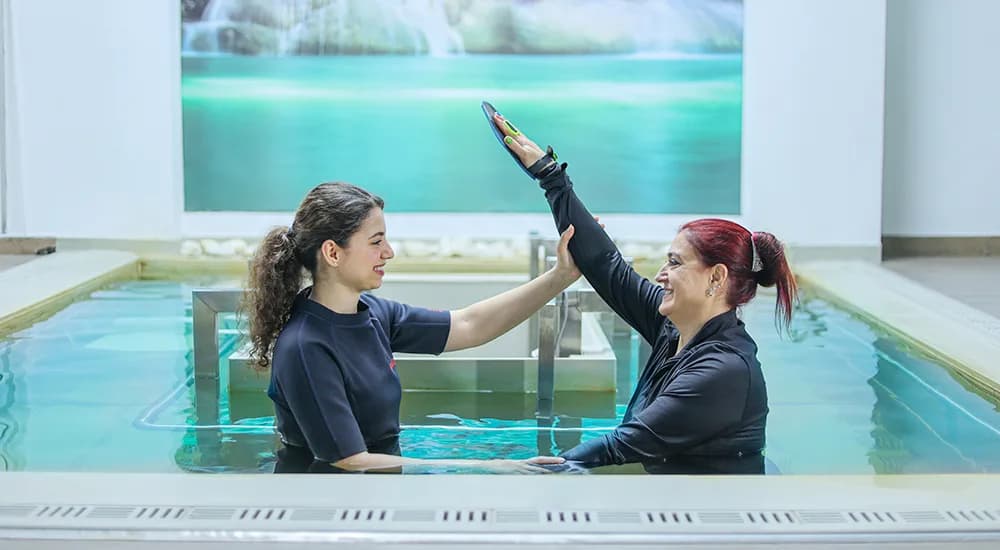
Aqua Therapy / Hydrotherapy
Hydrotherapy uses the physical properties of water — buoyancy, resistance and warmth — to improve joint mobility, reduce pain and strengthen muscles. Particularly effective for patients who find land-based exercise difficult.
View Details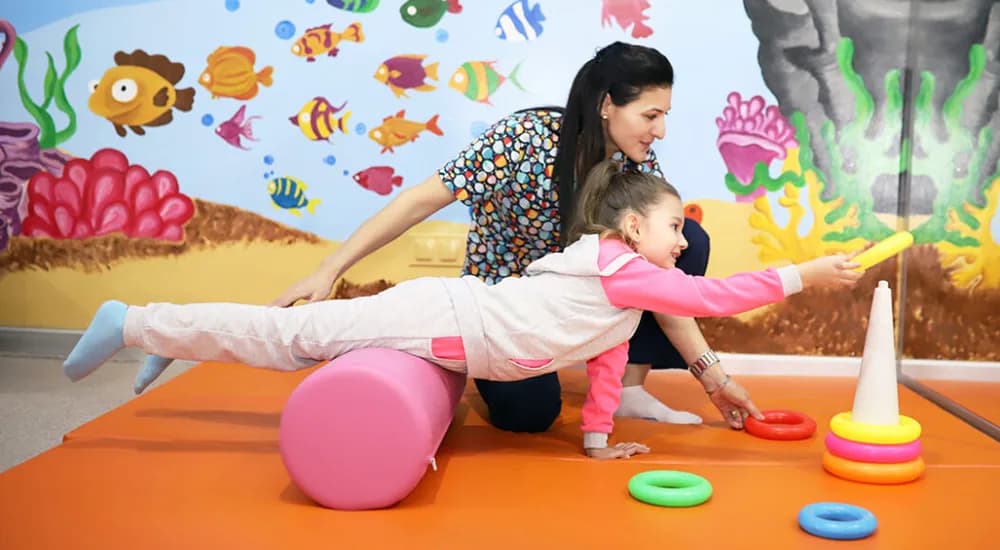
Pediatric Rehabilitation
We aim to help children achieve maximum independence by developing their existing capacity and rehabilitating identified conditions.
View Details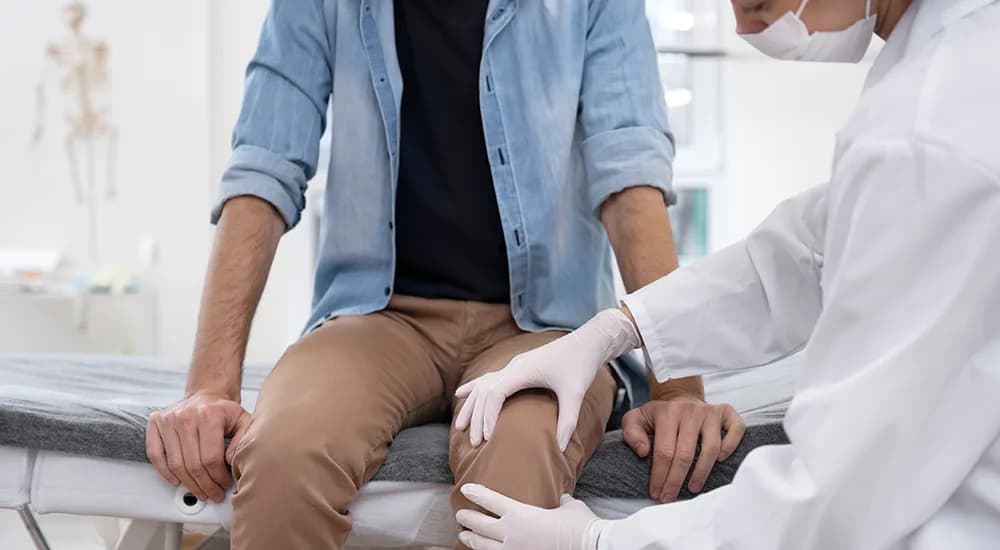
Orthopedic Rehabilitation
Physical therapy interventions applied to restore patients who require orthopedic medical or surgical treatment to their previous condition.
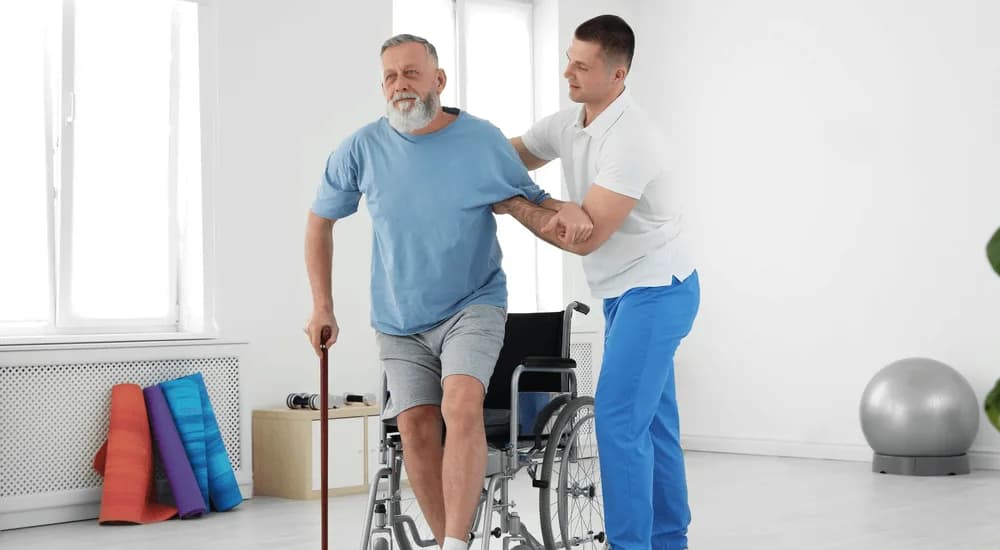
Neurological Rehabilitation
A comprehensive treatment process addressing physical, cognitive, and psychological disorders resulting from brain, spinal cord, and nervous system diseases or injuries. It helps patients regain lost functions, improve quality of life, and develop independence.
View Details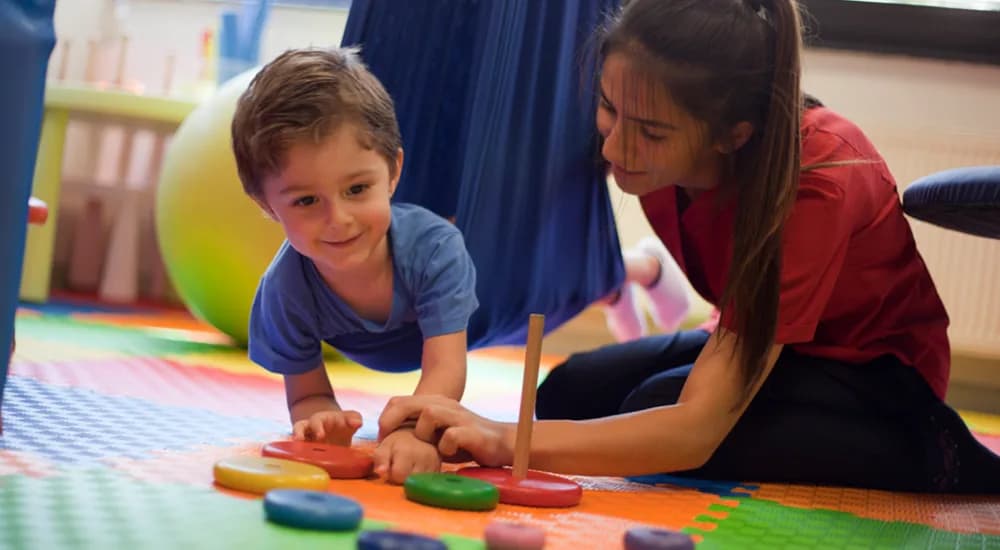
Occupational Therapy
Occupational therapy is a person-centred treatment method that aims to improve health and well-being through meaningful and purposeful activities, enabling individuals to participate in their daily living activities.
View Details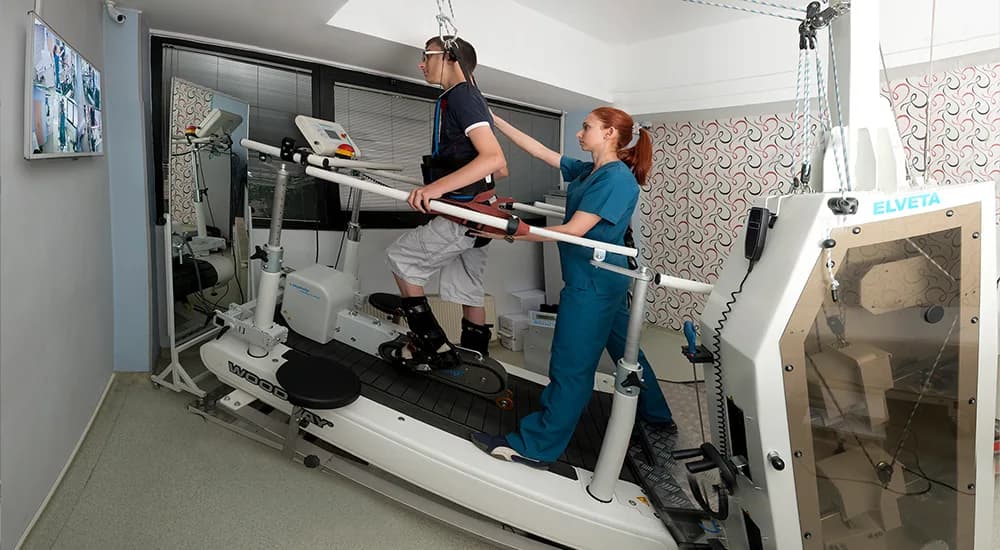
Robotic Rehabilitation
Robotic rehabilitation uses advanced robotic devices and software to guide patients through precise, repetitive therapeutic movements. Ideal for neurological and orthopedic recovery where consistent, measurable progress is essential.
View Details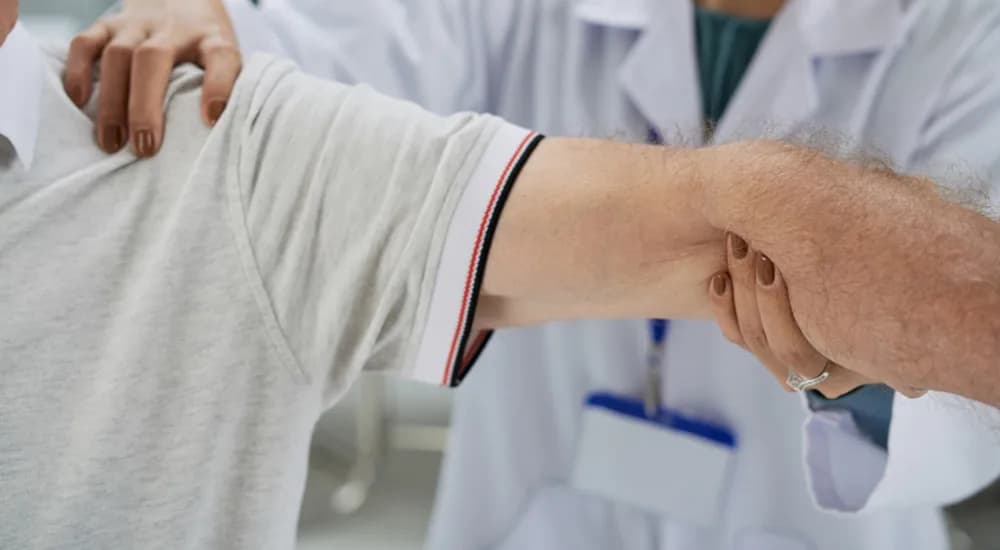
Pain Treatment
Algology is the scientific field dealing with the diagnosis and treatment of all types of chronic pain as well as severe pain of unknown cause. ROMMER applies comprehensive pain management methods including neural therapy, nerve blocks, and implant systems.
View Details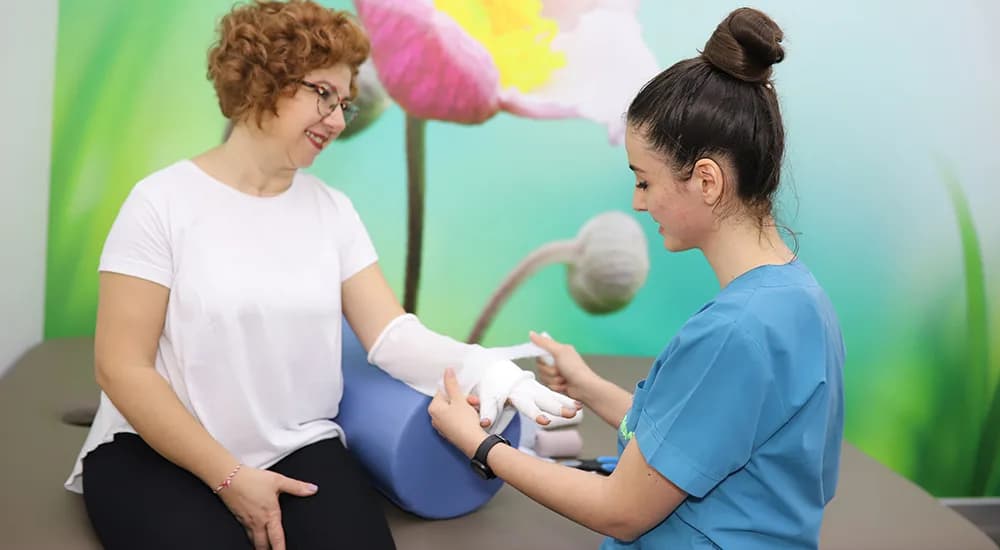
Lymphedema Rehabilitation
Lenfödem Nedir? Lenfödem, vücuttaki lenf dolaşımının doğuştan veya sonradan çeşitli nedenlerle bozulması sonucu, sıklıkla kol ve bacaklarda nadiren de gövdede şişliklerle görülen, proteinden zengin sıvının doku altında birikimidir. Lenfödemin artışını engellemek ve mevcut ödemin azalması amacıyla lenfatik sistem akışının arttırılmasının sağlanması tedavinin temel hedefidir. Nedenleri Primer lenfödem, lenf dokusunun doğumsal yokluğu ya da anormalliğinden oluşur. Sekonder lenfödem ise sonradan gelişen lenf yollarındaki sorundan kaynaklanır ve daha sık görülür. Herhangi bir kanser tipinde, ameliyat veya ışın tedavisi sonrası gelişebilir. Özellikle meme, prostat ve alt karın bölge kanserleri sonrası ortaya çıkar. Meme ameliyatı sonrası koltuk altı lenf bezlerinin çıkarılması sonrası lenfödem gelişme sıklığı yaklaşık %25'tir. Ameliyatın büyüklüğü, çıkarılan lenf bezi sayısı ve ışın tedavisi uygulanması lenfödem gelişme riskini artırır. Kola veya bacağa darbe, sıyrık-kesik, böcek ısırığı ve enfeksiyon gibi küçük yaralanmalar da neden olabilir. Belirtileri Kolda veya bacakta sıkışma ya da dolgunluk hissi Ağrı, ağırlık, karıncalanma Şişlik ve kızarıklık Kol, el veya ayak bileğinde hareket zorluğu Saat, yüzük, bilezik ya da ayakkabının sıkması Deride gerginlik hissi, sıkıntı ve huzursuzluk Yavaş gelişirse ölçüm yapılmadıkça fark edilmeyebilir. Gözle fark edildiğinde tedavi gereken düzeye ulaşmış olabilir. Korunma Yöntemleri Her şişliği önemsemek ve doktora başvurmak Kol veya bacağı temiz tutmak, cilt bakımı yapmak Banyo sonrası ve gün içinde nemlendirici sürmek Manikür yaptırmamak; tırnak etlerini geri itmek Her türlü basınçtan korunmaya çalışmak Tansiyon ölçtürme, masaj gibi basınçlı uygulamalardan kaçınmak Riskli kol veya bacakla ovma, çekme, itme gibi tekrarlayıcı hareketlerden kaçınmak Ciltteki sıyrık, çizik, böcek ısırığı durumunda sabunla yıkayıp temiz tutmak Anti-bakteriyel krem kullanmak Açık yarayı temizleyip kapatmak Hafif yanıkta soğuk uygulama sonrası sabun ve su ile yıkamak Kızarıklık, şişlik, ısı artışı, duyarlılık ve ateş belirtilerine karşı uyanık olmak Kol veya bacağı güneş yanığından korumak Güneşten koruyucu krem kullanmak Fırında çıkan kapları koruyucu eldiven ile tutmak Kaynayan su ve mikrodalga fırından buharına dikkat etmek Banyoda keseleme, lifleme yapmamak Sauna, kaplıca gibi sıcak ortamlardan kaçınmak Riskli koldan aşı olmamak, tansiyon ölçtürülmemek, kan aldırmamak Giysilerin lastiklerinin sıkı olmamasına dikkat etmek Şişlik Olursa Ne Yapılmalı? Hemen doktora başvurulmalıdır. Daha önce yaşanmış olsa bile doktor tarafından değerlendirilmesi uygun olacaktır. Tanı En güvenilir ve basit yol, iki kol veya bacak arasındaki çevre ölçümlerini karşılaştırmaktır. Tanıda ayrıca doppler ultrasonografi ve lenf sintigrafisi gibi görüntüleme yöntemlerinden yararlanılabilir. Tedavisi Lenfödem tedavisi zaman ve sabır gerektirir ancak sonuç başarılıdır. Erken fark edilirse tedavi daha kısa, uzun süredir varsa daha uzun sürecektir. Tedavinin en önemli hedefi, lenfödemin artışını engellemek ve mevcut ödemin azalması amacıyla lenfatik sistem akışının arttırılmasını sağlamaktır. Eklem hareket kısıtlılıklarını ve enfeksiyon oluşumunu önlemek de birincil hedeflerdir. Ne kadar erken fark edilir ve tedaviye başlanırsa, başarı şansı o kadar artar. Tedavi Yöntemi Fizik Tedavi ve Rehabilitasyon hekimi tarafından planlanan tedaviye uyum, tedavi başarısını etkiler. Tedavi bir aydan uzun sürebilir. Doğru uygulama yapılmazsa başarı sağlanamaz. Tedavide amaç, şişliği indirmek ve tekrar oluşmasını önlemeye çalışmaktır. Bunun için doğru cilt bakımı yapılmalıdır. Kola veya bacağa uygun nemlendirici günde iki kez aşağıdan yukarı tek yönde uygulanmalıdır. Elle yapılan lenf drenajı tedavide oldukça önemlidir. Lenf drenajı, bu konuda eğitim almış deneyimli kişilerce uygulanmalıdır. Sonraki aşama bandajlamadır. Çevre farkı fazla ise (iki kol veya bacak arasında 2–2.5 cm) bandaj tedavisi başlanır. Kısa germeli bandaj ile çok katlı bir uygulama yapılır. Çevre farkı istenen sınırlara indiğinde, basınç giysisine geçilir. Tedavide ayrıca basınç pompaları (pnömatik kompresyon cihazları) ve egzersizlerden yararlanılır. Egzersizler, takip döneminde ve sonrasında da koruyucu amaçlı mutlaka yapılmalıdır. Tedavinin Etkileri Tedavi edilmezse kolda veya bacakta enfeksiyon ya da pıhtı gelişebilir. Şişen kol veya bacağın hareketi zorlaşır, zamanla kısıtlılık olur. Ağrı, yara ve çatlaklar rahatsız edicidir. Kıyafet seçmek zorlaşır. Ruhsal sıkıntılar görülebilir. Tedavi edilmezse ilerleme olasılığı yüksektir.
View Details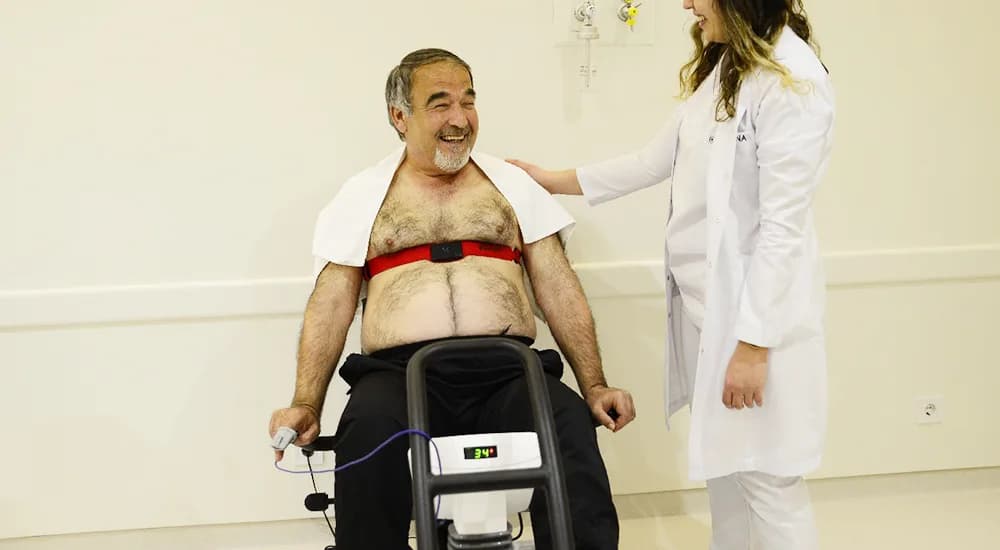
Cardiopulmonary Rehabilitation
What is Cardiopulmonary Rehabilitation? Pulmonary rehabilitation is a relatively recent addition to the medical agenda. Although COPD (chronic obstructive pulmonary disease) is the first condition that comes to mind, pulmonary rehabilitation has applications in many respiratory diseases. Pulmonary rehabilitation can be described as a treatment method used to help individuals with clinical and/or physiological respiratory diseases maintain their daily personal and life functions at the highest possible level. Exercise is the most important component of pulmonary rehabilitation programs. Exercise improves heart and lung functions, strengthens muscles, and reduces the sensation of breathlessness. Who Benefits from Pulmonary Rehabilitation? COPD (Chronic Obstructive Pulmonary Disease) Asthma Post-pneumonia recovery After lung cancer treatment Heart failure Coronary artery disease Post-cardiac surgery rehabilitation Pulmonary fibrosis Bronchiectasis Long-term respiratory problems after COVID-19 Goals of Pulmonary Rehabilitation Increase exercise capacity Reduce breathlessness Improve quality of life Prevent disease exacerbations Shorten hospital stays Improve psychological well-being Exercise Methods in Pulmonary Rehabilitation Endurance (aerobic) and strengthening (resistance) exercises along with respiratory muscle exercises should be planned. Exercise training should be adapted to the individual's needs. Aerobic exercises (walking, cycling, treadmill) Strengthening exercises (upper and lower extremities) Respiratory muscle training Secretion clearance techniques Energy conservation techniques Flexibility and relaxation exercises Cardiopulmonary Rehabilitation at ROMMER At ROMMER International, cardiopulmonary rehabilitation programs are individually tailored following specialist evaluation and applied by experienced physiotherapists.
View Details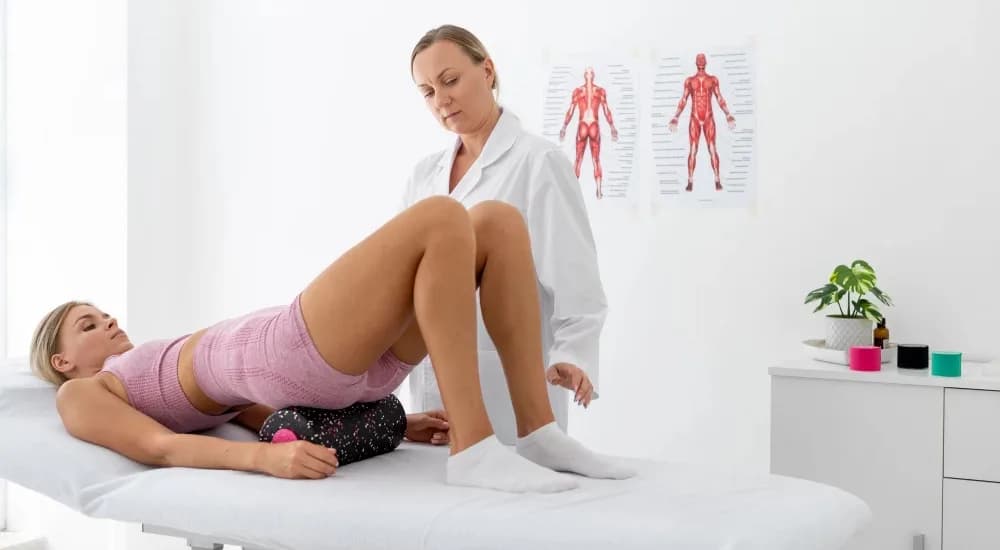
Pelvic Floor Rehabilitation
What is Pelvic Floor Rehabilitation? The pelvic floor muscles provide support to the bladder, bowel, uterus (in women), and prostate (in men). Dysfunction in these muscles can impair organ function, and conversely, organ problems can cause pelvic floor dysfunction. Pelvic floor rehabilitation is a treatment method that aims to optimize pelvic floor muscle function, ensuring that the target muscles work in a balanced and coordinated way. It is applied by specialist therapists. Benefits of Pelvic Floor Rehabilitation Resolving urinary incontinence (stress, urgency, and mixed type) Improving bowel control Reducing pelvic organ prolapse symptoms Relieving chronic pelvic pain Treating sexual dysfunction Strengthening muscles after childbirth Conditions Treated Urinary incontinence Frequent urination and urgency Fecal incontinence Pelvic organ prolapse Chronic pelvic pain Vaginismus and sexual pain disorders Post-prostatectomy incontinence Postpartum pelvic floor weakness Treatment Methods Pelvic floor muscle exercises (Kegel exercises) Biofeedback therapy Electrostimulation Manual therapy techniques Bladder training Behavioral techniques and lifestyle changes Pelvic Floor Rehabilitation at ROMMER At ROMMER International, pelvic floor rehabilitation is applied to patients diagnosed by specialist physicians. Each patient is evaluated in detail and an individualized treatment program is created. The program is continuously revised according to the patient's progress.
View Details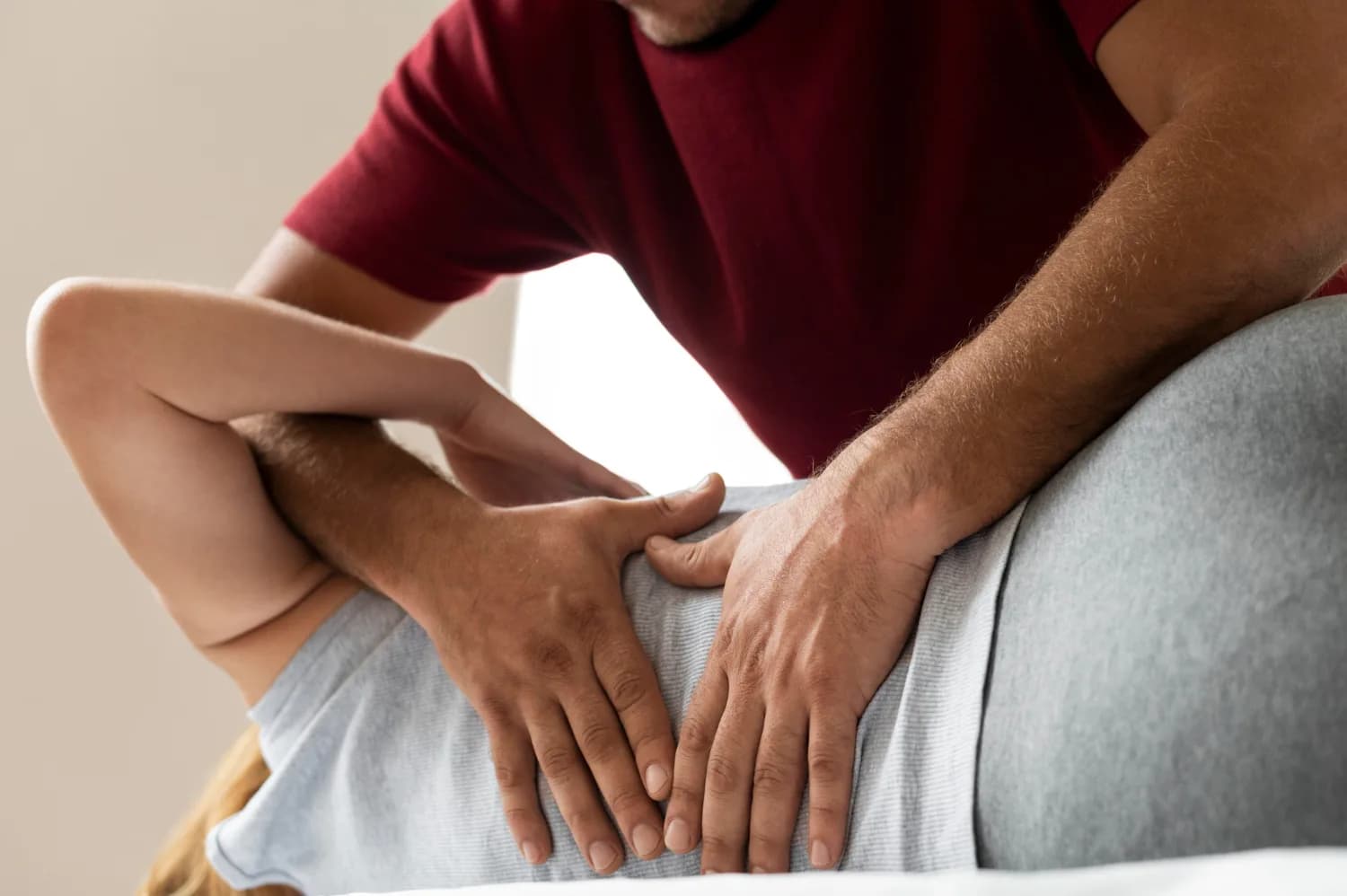
Manual Therapy
What is Manual Therapy? Manual therapy is applied by physiotherapists or physical therapy physicians trained in this field. The patient is positioned appropriately for the technique to be applied, and it is performed entirely by hand. No invasive procedures such as injections are used, and it is not performed painfully. Safety tests are always conducted beforehand to ensure the procedure is safe for the patient. Verbal briefing is provided throughout the session so the patient feels confident and relaxed. Mechanism of Action Mechanical effect: Increases joint fluid in the joints, reduces tension within or around the joint, allowing freer movement — similar to oiling a squeaky door. Neurophysiological effect: During mobilization, signals from the joint and surrounding tissues to the brain reduce the protective muscle tension the brain creates around that joint. Properly applied manual therapy techniques help the brain reduce its protective response, enabling pain-free movement. Manual Therapy Techniques Joint mobilization and manipulation Soft tissue mobilization Myofascial release Neural mobilization Muscle energy techniques Traction applications Conditions Treated Neck and back pain Lumbar disc herniation and low back pain Shoulder, knee, hip and ankle problems Joint range of motion restrictions Headaches and cervicogenic pain Sports injuries Postural disorders Fibromyalgia Manual Therapy at ROMMER At ROMMER International, manual therapy is applied by specialist physiotherapists with specific training in this area. A comprehensive evaluation and safety tests are performed before each session.
View DetailsComplementary Therapies
At ROMMER International, alongside traditional physical therapy methods, we offer complementary therapies recognized worldwide. These methods support the body's natural healing mechanisms to reduce pain, accelerate tissue repair, and improve overall health.
View Details